
The Torrance Expansive Soil Area
What Every Owner, Buyer & Seller Must Know
A misunderstood neighborhood with excellent schools, great neighbors, and near-perfect South Bay weather — you just need the facts before you buy or sell.

What Is the Soil Area?
The "Expansive Soil Area" refers to a specific section of south Torrance where the ground beneath homes was trucked in as fill material during construction in the 1960s — not naturally occurring soil. This fill was adobe clay, which is well-known for expanding when wet and contracting when dry.
While expansive soil exists throughout the South Bay, this Torrance neighborhood carries a particular stigma that is not fully deserved — especially among buyers and agents who don't have the background to evaluate these homes accurately.
Not all homes in this area have soil issues. Condition varies significantly from property to property, and many homes have been well-maintained for decades with minimal impact from the soil.
Approximate soil area: bounded by Lomita Blvd (N), Hawthorne Blvd (E), Pacific Coast Hwy (S), and Anza Ave (W) — Zip Code 90505
From Walteria Lake to Thriving Neighborhood
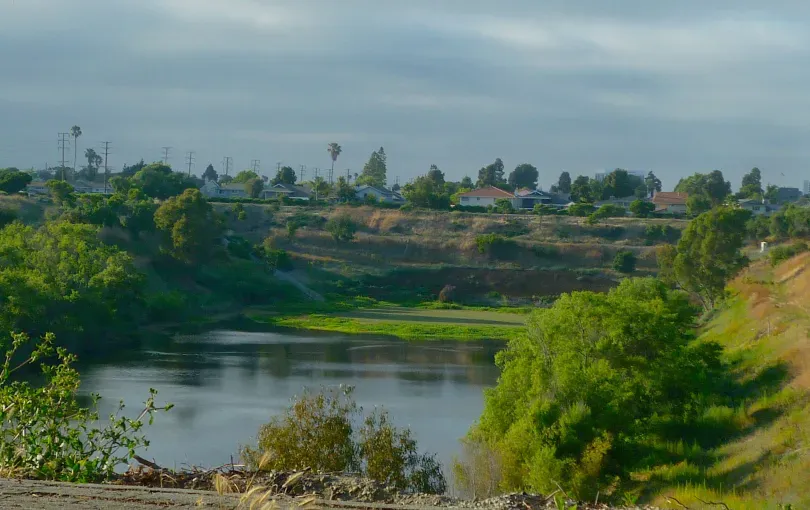
Before homes were built in south Torrance, this area was known as Walteria Lake — a swampland. In the early 1960s, builder Don Wilson brought in soil to fill and raise the land so construction could begin.
Unfortunately — likely as a cost-cutting measure — the fill used was adobe clay soil, which expands and contracts as it cycles between wet and dry conditions. This is the root cause of the area's soil movement issues.
As soon as original homeowners moved in, they noticed movement in structures and cracks in walls. Complaints to the city and lawsuits followed, but there was little recourse available at the time.
Through the mid-1990s, the "soil area" stigma kept values somewhat depressed. But as original owners moved on, buyers discovered that the homes were not nearly as problematic as their reputation suggested — and that the neighborhood itself was exceptional for families.
8 Steps to Protect Your Home
Damage in expansive soil areas happens when soil repeatedly cycles between wet and dry — contracting and expanding beneath the foundation. Homes that are well-maintained rarely have significant issues. Follow these eight guidelines and your home will hold up well for decades.
Manage Drainage
After significant rainfall, check for water ponding around your home. Take steps immediately to eliminate any standing water near the foundation.
Install Drainage Pipes
Install culverts or drainage pipes to route yard water out to the street. It's an upfront cost — but far less expensive than foundation repair.
Add Roof Gutters
Gutters direct roof runoff away from the foundation and out to the street. This alone makes a significant difference in keeping soil moisture consistent.
Run Sprinklers Regularly
Keep yard soil at a consistent moisture level year-round. Consistent moisture minimizes the expansion/contraction cycles that cause the most structural damage.
Watch Your Water Bill
A sudden unexplained increase can indicate an underground leak beneath the yard or house. Get it inspected and repaired immediately.
Keep Trees Away from Foundation
Avoid planting trees or large shrubs within 10 feet of the house — further is better. Root systems accelerate soil movement and draw away moisture.
Eliminate Foundation Planters
Planter beds directly against the house allow water to wick into stucco and around the foundation. Remove them or line them with a moisture barrier.
Pour a Concrete Perimeter
A concrete apron all the way around your home creates a barrier that keeps surface water away from the foundation and stabilizes ground moisture.
The Truth About Home Values in the Soil Area
Many people assume soil area homes sell for less. The reality is more nuanced — and often more favorable than you'd expect.
Well-maintained homes sell at top dollar
Buyers who understand the area know a properly maintained soil area home is not a risk — it's a value.
Strong buyer demand from locals
South Bay families who grew up here know the neighborhood. They're not scared off by the soil area label.
Years of Frank's sales data in this area
Frank has more soil area transactions than any other agent — he knows exactly how to price and position your home.
The key is pricing the home correctly and disclosing everything upfront. Buyers who are properly educated about the soil area and see a well-maintained home will pay full market value — sometimes more.
South Bay Los Angeles, CA
"I've had the good fortune of growing up and still living in the soil area. I fully understand the condition of the soil and the homes in this beautiful neighborhood. In fact, I sell more homes here than any other agent — and I also offer guidance to other Realtors who have buyers in the neighborhood."
Many Realtors choose not to sell homes in the soil area — or worse, they give incorrect advice to buyers and sellers because they don't have the experience to evaluate these properties properly.
Frank has done extensive research on the area. He's collected the city-issued disclosure documents, closed dozens of transactions in the neighborhood, and built a package of information he provides to every buyer as part of the disclosure process.
The bottom line: the south Torrance soil area is a very desirable place to live. Great neighbors, excellent schools, abundant shopping and restaurants, and near-perfect South Bay weather. With the right maintenance and the right agent — this neighborhood is a fantastic place to call home.
Frequently Asked Questions
Ready to Buy or Sell
in the Soil Area?
Frank has lived here most of his life and sells more homes in the soil area than any other agent. Whether you're buying, selling, or just want straight answers — he'll give you the truth.
Frank Kenny · eXp Realty of Greater Los Angeles · www.FrankKenny.com